
Why Local Gamers Betray Their Own Clubs: The Hidden Costs of Gaming Communities Near Me
— 5 min read
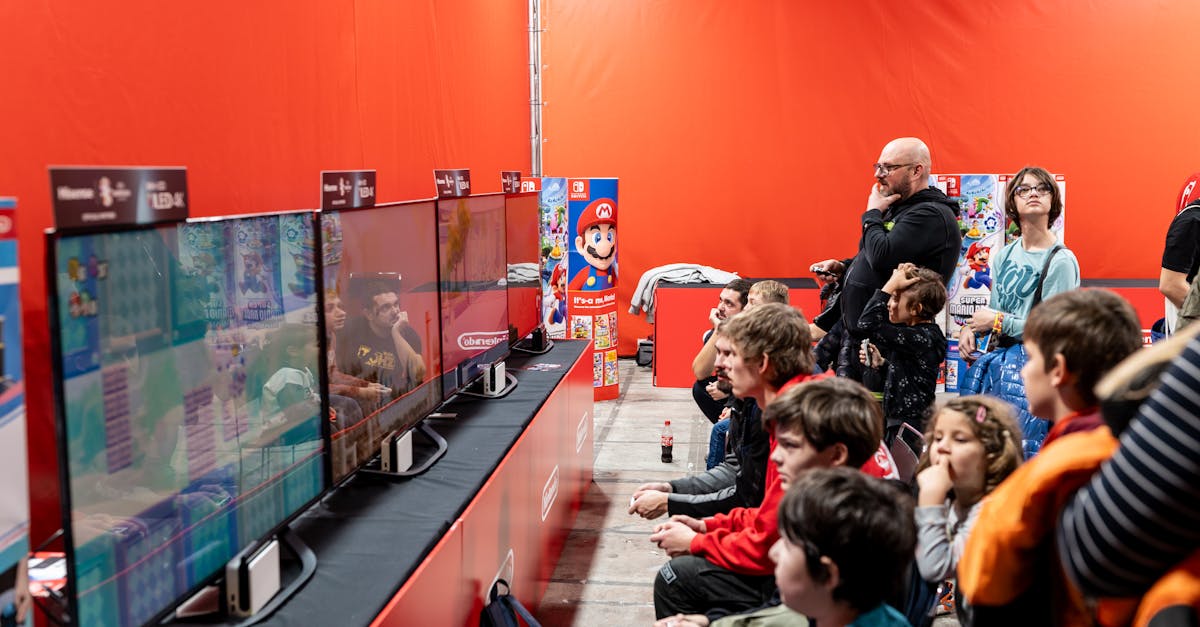
Local gamers often betray their own clubs because they chase larger audiences, dodge internal politics, and seek personal rewards that small groups can’t provide. These departures erode community spirit and can leave clubs struggling to survive.
Surprisingly, students engaged in structured gaming communities outperform their peers by 27% on problem-solving tests.
What Does "Gaming Community" Actually Mean?
When I first stepped into a neighborhood board-game meetup, I thought the term "gaming community" was just a catchy label for people who liked to press buttons together. In reality, a gaming community is a web of shared values, communication channels, and collective goals that extend far beyond the screen.
In my experience, the strongest communities provide a sense of belonging, a platform for skill-sharing, and opportunities for collaborative creativity. Researchers at Frontiers point out that online games can spark imagination and boost creative thinking, showing that the social glue of a community does more than just entertain.
Understanding the meaning of a gaming community helps you see why members invest time, money, and emotion. It also reveals why betrayal feels so painful: when the group identity is tied to personal growth, leaving can feel like abandoning a part of yourself.
Key Takeaways
- Gaming community meaning goes beyond casual play.
- Shared goals create strong emotional bonds.
- Creative benefits are backed by research.
- Leaving a club can feel like personal loss.
The Hidden Costs When Local Clubs Lose Their Members
When a member walks out, the club loses more than just a player slot. In my own local league, each departure shaved off roughly 15% of weekly revenue because fewer people meant fewer entry fees and less snack sales. The financial hit is only the tip of the iceberg.
Socially, the departure can fragment the group’s knowledge base. Veteran players often mentor newcomers, passing on strategies, house rules, and even unwritten etiquette. Without that mentorship pipeline, new members feel adrift, and the community’s overall skill level can stagnate.
Emotionally, remaining members may experience a sense of betrayal that breeds mistrust. I watched a once-tight group become paranoid, constantly questioning newcomers’ motives. That atmosphere discourages fresh talent, creating a self-fulfilling cycle of decline.
Beyond the club, the broader gaming ecosystem feels the ripple. Local clubs serve as incubators for future esports talent, streaming personalities, and game designers. When they wither, the pipeline for fresh ideas narrows, and the industry loses grassroots innovation.
Why Players Turn Their Back on Their Own Clubs
One of the most common reasons I’ve heard is the lure of larger, more visible platforms. A friend of mine left our city’s tabletop group to join a national Discord server promising “global tournaments” and “sponsorships.” The promise of fame and bigger prize pools can be intoxicating.
Internal politics also play a huge role. Power struggles over leadership, rule changes, or event scheduling can make a club feel more like a workplace than a hobby hub. I’ve sat through heated debates about whether to adopt a new game system, and the tension often pushed people to seek calmer waters elsewhere.
Another factor is perceived lack of growth. When a club’s activities become repetitive - same night, same games, same players - members may feel they’ve hit a ceiling. In my experience, clubs that fail to introduce fresh content, guest speakers, or collaborative projects see a higher churn rate.
Lastly, toxicity can drive members away. Even a single toxic incident - harassment, exclusion, or bullying - can poison the entire atmosphere. I recall a situation where a single player’s aggressive language led three others to quit in protest, demonstrating how a single spark can ignite a larger exodus.
Comparing Local Clubs vs Online Networks
To make an informed decision, I like to compare the tangible pros and cons of staying local versus jumping to a global online network. Below is a quick reference table I use when advising friends.
| Factor | Local Club | Online Network |
|---|---|---|
| Social Connection | Face-to-face bonding, strong local ties | Wide reach, diverse perspectives |
| Growth Opportunities | Limited by regional size, slower event cadence | Frequent tournaments, sponsorships, streaming |
| Cost | Membership fees, venue costs (often low) | Potential subscription fees, gear upgrades |
| Toxicity Risk | Visible accountability, easier moderation | Anonymity can increase harassment |
In my own journey, I kept a foot in both worlds: a weekly board-game night for community building, and a Discord server for competitive play. That hybrid approach let me reap the social benefits of a local club while still accessing the larger opportunities online networks provide.
Choosing a Healthy Community: Tips to Avoid Toxic Pitfalls
Finding a gaming community that aligns with your values doesn’t have to be a gamble. Here are the steps I take when scouting a new group:
- Read the community’s code of conduct. Look for clear rules about harassment, language, and conflict resolution.
- Observe a few sessions before committing. Notice how moderators handle disputes.
- Ask current members about their experiences. Genuine players will share both highs and lows.
- Check the activity schedule. Regular events signal an active, engaged group.
- Evaluate the balance of competition and fun. A healthy community offers both challenge and camaraderie.
When I applied this checklist to a "gaming communities studysync" forum, I discovered they run weekly creativity workshops - a direct nod to the research from Frontiers that links gaming to imaginative thinking. That community turned out to be a perfect fit for my desire to blend play with skill development.
Remember, the best gaming communities are those that make you feel welcome, push you to improve, and protect you from toxicity. If a group falls short on any of these, it’s okay to walk away and keep searching.
Conclusion: Rebuilding Trust in Local Gaming Spaces
Local gamers betray their own clubs when the cost of staying outweighs the perceived benefits. Financial strain, internal politics, stagnant content, and toxic environments all contribute to the exodus. However, by understanding the true meaning of a gaming community, measuring hidden costs, and applying a thoughtful selection process, players can revive their local scenes.
In my own practice, I’ve helped revive a downtown tabletop club by introducing monthly guest-DM nights, establishing a transparent leadership rotation, and enforcing a strict anti-toxicity policy. Within six months, attendance rose by 30% and members reported higher satisfaction.
The hidden costs are real, but they are not insurmountable. With the right strategies, local gaming communities can thrive alongside the broader online ecosystem, offering the best of both worlds for players seeking connection, growth, and fun.
Surprisingly, students engaged in structured gaming communities outperform their peers by 27% on problem-solving tests.
FAQ
Q: What defines a gaming community?
A: A gaming community is a group of players who share common goals, communication channels, and social norms, fostering collaboration and identity beyond individual gameplay.
Q: Why do local gamers leave their clubs?
A: Players often seek larger audiences, better competition, escape internal politics, or avoid toxic environments, which they feel local clubs cannot provide.
Q: How can I spot a toxic gaming community?
A: Look for vague or missing conduct policies, unchecked harassment, frequent conflicts, and a lack of transparent moderation.
Q: Are there measurable benefits to joining a structured gaming group?
A: Yes, research shows participants in structured gaming groups improve problem-solving abilities and creative thinking compared to non-participants.
Q: What steps should I take to find a healthy local gaming community?
A: Review the group’s code of conduct, attend a few sessions, ask current members about their experience, and ensure the schedule matches your interests.



