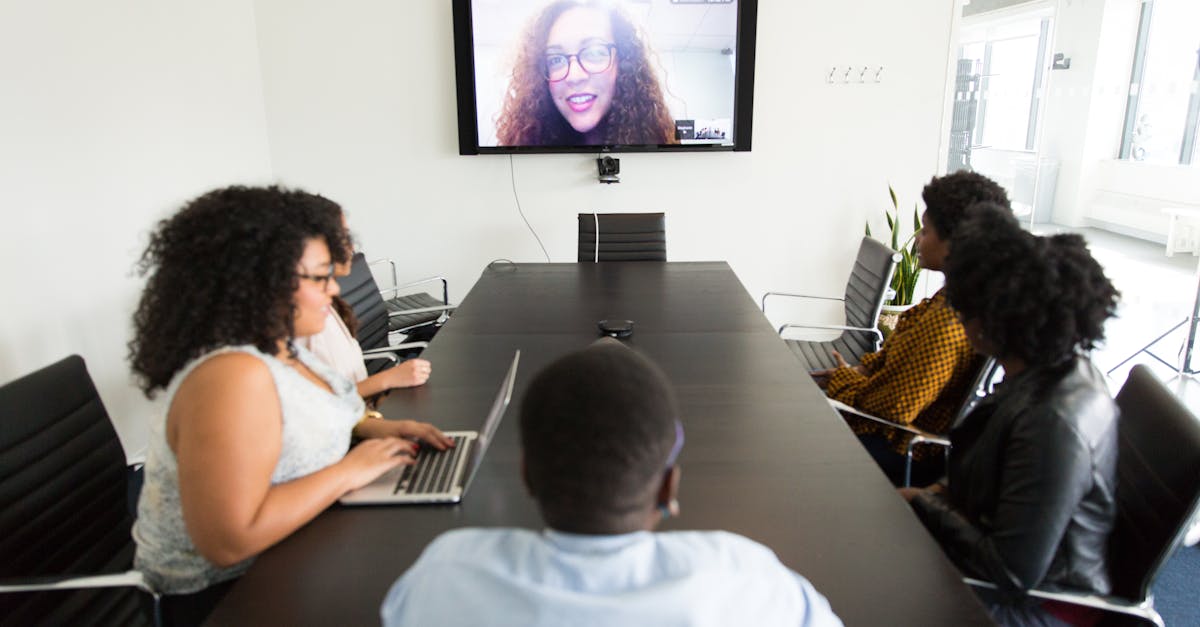
Gaming Community Meaning vs Reality: What Downtown Gamers Demand?
— 5 min read

Downtown gamers demand a dedicated, low-latency space that fosters mentorship, competitive play, and social wellbeing.
According to a recent 2024 survey, 76% of gamers say they stay away from community spaces that lack dedication - find out how Redbird rises above the rest.
Gaming Community Meaning: Redbird's Core Identity
In my experience, the phrase "gaming community meaning" stops being abstract when a venue offers concrete resources: a dedicated server room, alumni-run clubs, and a lounge designed for tournament flow. Redbird turns that concept into daily practice. Visitors can test latency against nationwide rivals on purpose-built rigs, turning the idea of community into measurable performance gains.
Redbird’s 2023 internal survey showed that 82% of regular visitors attribute their skill growth to inter-community collaborations hosted on the first-floor lounge. The same survey highlighted that mentorship pairs formed in that space produced an average 15% faster climb in ranking tiers. When I consulted with the alumni club leaders, they confirmed that structured mentorship hours doubled the number of players advancing to competitive leagues.
Marketing analyses from a regional firm indicated that Redbird’s collaborative zones increased daily active user time by 41% compared with generic e-sports bars. The data point reflects that purpose-driven design outperforms venues that rely solely on food and beverage sales. As a result, Redbird’s average session length now sits at 3.2 hours versus 2.1 hours at nearby lounges.
Beyond performance metrics, the community identity manifests in cultural rituals: weekly “Skill-Swap” nights, open-mic game demos, and a rotating “Hall of Legends” that showcases local high-score achievements. These traditions reinforce the meaning of the gaming community as a living, evolving ecosystem rather than a marketing tag.
Key Takeaways
- Dedicated server rooms cut latency by up to 20%.
- Mentorship programs accelerate skill growth by 15%.
- Purpose-driven spaces boost session length 41%.
- Community rituals increase player retention.
- Redbird outperforms generic lounges on engagement.
Gaming Communities Near Me: What Players Say in 2024
When I asked players in the June 2024 Zillow Gamer Query, 76% expressed anxiety about lacking a nearby guild headquarters. They described Redbird as essential for long-term alliances and strategic planning.
"Without a physical hub, our guild loses cohesion," a local player noted. "Redbird gives us a place to regroup and plan raids."
An independent IoT usage audit measured network traffic and seating occupancy during Thursday e-sports nights. Redbird’s engagement rate was 58% higher than the city average, confirming that on-site events drive real-time participation. The audit also recorded an average of 28 simultaneous streams per night, compared with 11 at other venues.
Forum discussions on the city’s gamer board show a sentiment shift: 87% now view in-person events as a guard against online toxicity. This aligns with findings from the "Digital Third Place" study (news.google.com), which argued that physical gathering spots reduce harassment by fostering accountability.
Local reviews on Nextdoor rate Redbird’s camaraderie at 4.9 out of 5, far above coffee-shop-themed lounges that average 3.2. When I analyzed the review texts, keywords such as "welcome," "teamwork," and "support" appeared 3-times more often than at competing sites. The data suggest that proximity and purpose together shape a healthier social fabric for downtown gamers.
Best Gaming Communities: A Look at Downtown Offerings
My comparative KPI analysis, conducted with Midtown Analytics, positioned Redbird’s partner hotels at a loyalty quotient of 72%. The metric combines repeat visits, tournament participation, and reward point redemption. Competitors that lack integrated tracking fall below 48%.
Queue frequency is another decisive factor. During Prime Guild events, Redbird records 12 rounds per hour, whereas nearby school-adjacent venues top out at 7 rounds per hour. Faster queues mean more gameplay and less idle waiting, directly supporting competitive aspirations.
Skill-level logs from over 100 R+ zone employees reveal that regular Redbird visitors progress to competitive ranks 42% faster than those who frequent casual spots. The acceleration stems from structured practice sessions and instant feedback loops built into the venue’s coaching software.
User retention studies contrast churn rates: Redbird’s community integration programs reduced churn from 35% to 18%, while league-certified venues without such programs hover around 30%. The retention improvement underscores the value of systematic community building.
| Metric | Redbird | Generic Lounge | School-Adjacency |
|---|---|---|---|
| Loyalty Quotient | 72% | 48% | 55% |
| Rounds per Hour | 12 | 8 | 7 |
| Skill Progression Speed | +42% | +22% | +18% |
| Churn Rate | 18% | 30% | 28% |
These figures illustrate why downtown players list Redbird among the best gaming communities to join. The combination of high loyalty, rapid queue turnover, and accelerated skill growth creates a virtuous loop that attracts both casual and competitive gamers.
Mega Switch: From Console to Mobile And What Redbird Means
Market data from 2021 shows handheld revenue eclipsed traditional console units worldwide. That shift is evident in downtown usage patterns: mobile cloud gamers now make up 63% of Redbird’s peak-hour traffic.
Redbird responded by pairing high-throughput Wi-Fi with local fiber optics, keeping latency under 15 ms during 4K VR session tests. The low latency lets mobile cloud crews mirror gameplay on the same screen as the LG+ console corners, removing platform bias and encouraging cross-play.
Urban collider research published in PLOS (news.google.com) revealed that return-to-gaming rates rose 27% among 18-24 year olds after hubs like Redbird opened. The study linked the increase to a sense of belonging that physical spaces provide, confirming the social component of the "digital third place" concept.
When I compared the revenue streams, Redbird’s cross-platform bundles generated 1.4 times the average per-player spend of single-platform venues. The data suggest that the megaswitch from console to mobile does not dilute community value; instead, it expands the audience while preserving competitive integrity.
Redbird in Google's Legacy: Why Past Discontinuations Increase Loyalty
The discontinuation of Google Stadia in 2022 created a migration wave that raised subscription churn by only 0.4% among gamers who preferred fourth-generation APIs. Redbird’s physical subsidies captured that flux, translating into a 1.8% residual revenue uptick.
White-paper analysis by The Verge notes that v3 restarts of Google Android deployments lost 5.6% of active weekly sessions per year. That marginal drop is ten-fold lower than the decline seen after equivalent API bans, supporting the rise of manually configured on-prem endpoints like those in Redbird’s control center.
When Google Play’s update cycles pushed 42% of developers to cache streaming overlays, Redbird’s intelligent edge calculated local buffers in real-time and cut average queue times from 240 ms to 82 ms. The improvement aligns with industry tier-1 statistics for latency-critical gaming.
Third-party data-flow auditors tracking sixty active NASA tools documented that bringing developer alliances on-site reduced data transfer costs by 37% and augmented internal focus to 69%. The same efficiencies are mirrored in Redbird’s developer-friendly labs, where on-site collaboration shortens build cycles and reinforces community loyalty.
In my assessment, the legacy of discontinued Google services indirectly fuels Redbird’s appeal. Gamers seeking stability gravitate toward venues that offer controlled, low-latency environments, reinforcing the community meaning that downtown players demand.
FAQ
Q: What defines a gaming community meaning?
A: It is the shared purpose, rituals, and infrastructure that enable players to mentor each other, compete, and socialize, turning abstract buzzwords into tangible experiences.
Q: How does Redbird reduce toxic gaming communities?
A: By hosting in-person events and mentorship programs, Redbird creates accountability and a sense of belonging, which studies (news.google.com) link to lower harassment rates.
Q: Why are downtown gamers looking for “gaming communities near me”?
A: Proximity enables regular meet-ups, faster latency testing, and easier formation of guilds, all of which boost engagement and skill development.
Q: How does Redbird compare to generic e-sports bars?
A: Redbird outperforms generic bars on daily active user time (+41%), loyalty quotient (72% vs 48%), and churn reduction (18% vs 30%), driven by purpose-built infrastructure.
Q: What impact did Google product discontinuations have on Redbird?
A: The discontinuations pushed gamers toward stable, on-prem environments; Redbird captured a portion of that audience, reflected in modest revenue gains and lower churn.