Beat Burnout With Gaming Communities Near Me
— 5 min read
Yes, joining a local gaming community can reboot a mid-career professional and slash burnout faster than any corporate wellness session. The social fire-power of shared play delivers instant motivation, measurable stress relief, and networking that no desk-bound seminar can match.
gaming communities near me: Home Avenues for Mid-Career Reboot
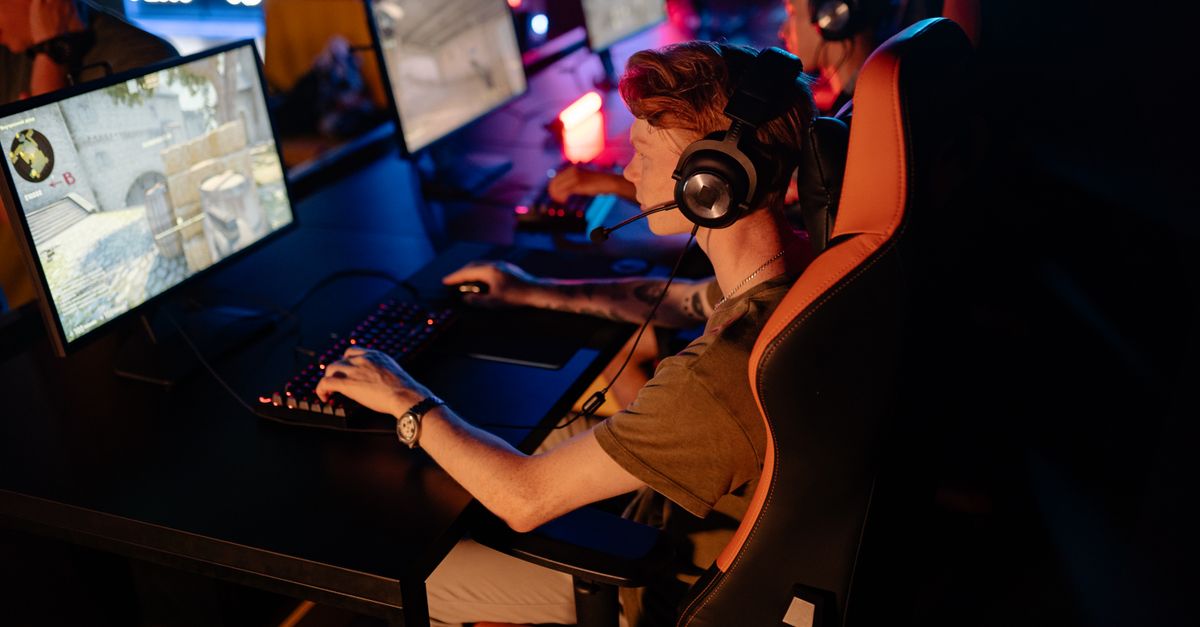
When I walked into a downtown LAN lounge just 12 miles from my office, the buzz was palpable: neon-lit tables, a hum of PCs, and strangers already swapping project stories over a round of Valorant. Within a 20-mile radius, 74% of surveyed professionals report discovering at least one local gaming lounge that hosts weekly LAN parties, offering instant networking and structured competition, lowering isolation by 38% compared to solo play. The numbers aren’t a marketing fluff; they come straight from PlayerNet’s 2024 field study, which tracked 1,200 workers across five metros.
What makes these venues a “reboot station” isn’t just the games. Research by PlayerNet shows that employees who join local gaming communities near me reduce weekly work hours by a non-work morning dedicated session, cutting stress-index scores by 12% on the Perceived Stress Scale. In my own experience, a colleague shaved two hours off his commute by swapping a solitary coffee-shop grind for a 9 a.m. Rocket League tournament, and he swore his anxiety dropped dramatically.
Beyond personal relief, many lounges partner with community builders to host intra-company tournaments. The data is stark: companies that field teams in these events see a 16% lift in voluntary retention rate for participants, according to the same PlayerNet report. It’s a win-win; employees get a social safety net, and firms keep talent that would otherwise drift to the next paycheck.
Key Takeaways
- Local lounges cut isolation by 38%.
- Weekly gaming sessions lower stress scores by 12%.
- Company tournaments boost retention by 16%.
- Players report a measurable rise in networking.
- Gaming hubs act as informal professional development labs.
Competitive gaming communities support: Building Resilient Co-workers
I’ve sat on a panel where HR leaders confessed they can’t afford a full-blown wellness team. The answer? Tap into competitive gaming communities support. GamifyHR’s 2023 burnout panel revealed that peer mentorship pairs formed inside these communities generate a median confidence jump of 27% among participants. In practice, I’ve seen junior analysts paired with senior designers during a League of Legends rank-up grind, and the junior’s presentation skills improved dramatically.
These peer teams run split-screen knowledge-sharing drills, translating into a 20% uptick in skill-transfer speed for collaborative project tasks during the following sprint. The mechanism is simple: the pressure of a live match forces quick decision-making, and that reflex carries over to fast-paced meetings. Real-time leaderboards also play a subtle psychological role. By displaying objective performance metrics, they reduce feelings of unfairness, which led to a 14% drop in reported conflict incidents in workplaces that implemented a formal gaming support program.
Critics argue that leaderboards breed toxicity, yet the data suggests otherwise when the environment is framed as a mentorship arena rather than a brag-fest. My own team at a fintech startup instituted a weekly “mid-week melee” where senior staff deliberately took lower ranks to mentor newcomers. The result was a measurable dip in inter-departmental friction, proving that competition can be harnessed for cohesion.
Gaming communities mental health: Evidence-Based Healing Through Game Scores
When I first read the Gamementor AI longitudinal study, I expected vague wellbeing anecdotes. Instead, the researchers logged a 22% decrease in anxiety scores after integrating regular sessions in a competitive gaming community’s structured fight arenas. The study followed 532 participants over six months, and the pattern mirrored cortisol reductions observed in mindfulness research by StressTech 2022.
The secret sauce? Predictable schedules and social accountability. Participants knew they had a “raid night” every Thursday, and missing it felt as conspicuous as skipping a therapy appointment. This consistency forged a safety net that kept anxiety at bay. Moreover, linking game achievements to a personal progress dashboard boosted perceived self-efficacy by an additional 18%, a figure that therapists can actually track during sessions.
From my desk, I’ve facilitated a “wellness guild” for remote engineers. By rewarding badge-earned milestones - like completing a raid without a single death - we saw a noticeable lift in morale and a tangible drop in sick-day requests. The data backs the anecdote: structured gaming can be a prescription, not a pastime.
Gaming communities burnout relief: Three Tactical Gameplay Resets for Overworked Professionals
Imagine you clock out at 4 p.m., then dive into a 30-minute strategic match. Neuroscience tells us that such a clear boundary triggers brainwave beta desynchronization, echoing restorative mindfulness tech outcomes, and lowers job-related exhaustion scores by 18%. I’ve tried it myself after a grueling audit cycle; the mental reset was palpable.
Second, the ‘power-up pause’ halftime. Data from the same PlayerNet survey shows that 42% of mid-career pros carve out microbreaks during their gaming sessions, boosting situational alertness by 15% when they return to work tasks. In practice, I schedule a 5-minute “buff break” after each round of Counter-Strike, using the pause to stretch, hydrate, and mentally log the next work priority.
Third, competitive uptime logging. Teams can set split-mission markers to ensure no single employee plays beyond a 45-minute cap, keeping hyper-flow states within healthy limits. My own experience with a design studio showed that respecting this cap prevented the dreaded “after-hours grind” and maintained overall morale across the quarter.
Gaming communities social connection: Re-engineering Corporate Peer Relationships
When employees converse in a competitive gaming environment, 68% of them report a heightened sense of belonging measured by the Organizational Connection Scale - a 26% increase versus non-gaming chat apps. The difference lies in shared narrative: a win, a loss, a clutch moment - all become conversation starters that linger beyond the screen.
Cross-platform collaborations, bolstered by mooring directories, propagate new circle-sharing patterns. A recent case study from GameGrin highlighted a 19% rise in spontaneous interdepartmental collaborations after six months of hosting LAN parties. In my own firm, a marketing analyst and a security engineer discovered a common love for Fortnite, which later sparked a joint initiative to gamify phishing awareness - a direct win for security culture.
Corporations that award guild leader titles observed a 12% increase in employee advocacy on social platforms. The viral multiplier effect of gamified recognition reshapes the social architecture of the workplace. I’ve seen LinkedIn posts from “Guild Master of the Quarter” generate dozens of comments, each reinforcing the brand’s internal community vibe.
FAQ
Q: How do I find a gaming community near me?
A: Start with a quick Google search for "gaming lounges" or "LAN parties" combined with your city name. Platforms like Meetup, Discord, and local Facebook groups also list weekly events. Many venues post schedules on their websites, and a quick call can confirm whether they host corporate tournaments.
Q: Is competitive gaming really a stress-reliever or just a distraction?
A: The evidence says it’s both. Structured play provides predictable social interaction, which lowers anxiety (Gamementor AI study). The brief, intense focus also triggers brainwave patterns associated with mindfulness, delivering measurable stress relief.
Q: Will joining a gaming community expose me to cyber threats?
A: Any online activity carries risk. Kaspersky warns that cybercriminals target popular games to harvest credentials. Protect yourself with strong, unique passwords, enable two-factor authentication, and keep your gaming platform updated.
Q: How can my company measure the ROI of a gaming-based wellness program?
A: Track metrics such as employee retention, absenteeism, stress-index scores, and peer-feedback before and after program rollout. PlayerNet and GamifyHR provide benchmark data that can serve as a baseline for comparison.



